



































Complete Guide to Commercial Washers & Dryers
The Complete Guide to Commercial Washers & Dryers
Choosing the right machines for efficiency, durability, and ROI.
Trusted by laundromat owners since 2005
Whether you’re starting a laundromat or upgrading machines, this guide provides all the essential info you need about commercial washers and dryers: types, capacities, costs, maintenance, and trusted brands. Focus on efficiency, durability, and long-term return on investment (ROI).
Types of Commercial Washers
Not all washers are the same. Your business type, available space, and budget will influence the right choice.
Front load washers are ideal for busy laundromats and hotels—they save water, clean efficiently, and handle heavy loads. The sideways drum motion allows more clothes per cycle with less water and detergent, cutting utility bills and extending fabric life.
Scenario: Imagine a busy laundromat on Saturday morning. Customers bring in large baskets of laundry, and a single front load washer handles it all quickly, saving water and keeping everyone moving smoothly.
- Pros: Efficient, water-saving, high capacity.
- Cons: Higher upfront cost than top load machines.
- Best For: Laundromats, hotels, and high-volume facilities.
Top load washers are easier to operate and generally cost less upfront, making them a solid choice for smaller facilities
Scenario: Picture a small apartment complex where residents do smaller, more frequent loads. A reliable top load washer is easy for anyone to use—open the lid, drop in clothes, add detergent, and go. No complicated features, just dependable service.
- Pros: Affordable, simple to use.
- Cons: Higher water and energy usage compared to front load washers.
- Best For: Apartments, gyms, and small facilities.
Stacked units are a smart solution when space is limited. By combining a washer and dryer vertically, you save valuable floor space without losing functionality. These machines are popular in smaller laundromats, condos, and multi-housing facilities where every square foot counts.
Scenario: Think of a small laundromat tucked inside a busy apartment complex. With stacked units, the owner doubles their machine capacity without needing more room—residents get the convenience of washing and drying in one compact setup.
- Pros: Saves space, maximizes small laundry rooms.
- Cons: Smaller capacity compared to stand-alone machines.
- Best For: Small laundromats, condos, multi-housing laundry rooms.
Front Load
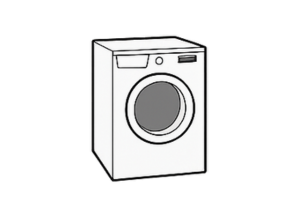
- Pros: Efficient, water-saving & high capacity
- Cons: Higher upfront cost
- Best for: Laundromats & hotels
Top Load
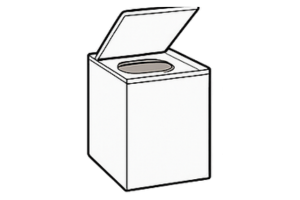
- Pros: Affordable & easy to operate
- Cons: Less efficient
- Best for: Apartments & small facilities
Stacked Unit

- Pros: Space-saving
- Cons: Smaller capacity
- Best for: Small laundromats, condos
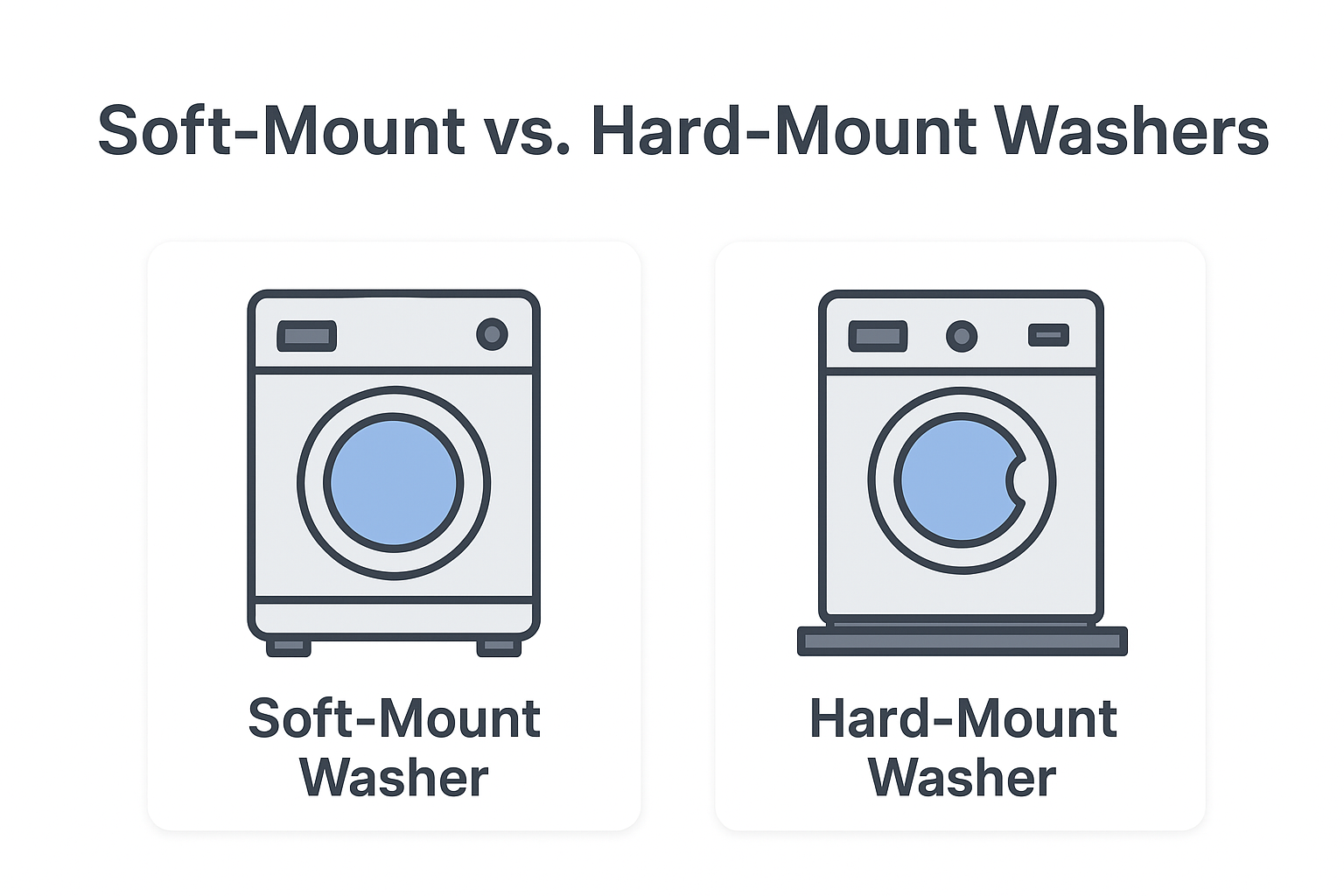
Mount Matters: Soft vs Hard Washers
Soft-Mount Washers use advanced suspension systems to reduce vibration and noise. Perfect for multi-floor buildings or spaces where quiet operation matters. They cost more upfront but can be installed almost anywhere without reinforced flooring.
Hard-Mount Washers bolt directly to the floor and are built for durability. More affordable initially but require strong, level foundations—best for ground-floor laundromats or heavy-duty operations.
Soft-Mount – Benefits: Faster spin speeds extract more water, lowering dryer times and saving on utilities. Great for hospitals, hotels, and high-rise installations.
Hard-Mount – Benefits: Lower upfront investment and heavy-duty durability make them the go-to for traditional laundromats and high-volume facilities with concrete floors.
| Feature | Soft-Mount Washers | Hard-Mount Washers |
|---|---|---|
| Installation | Can be installed on most floors, no reinforced slab required | Requires reinforced, level concrete flooring |
| Vibration & Noise | Low vibration, quiet operation | More vibration, louder operation |
| Upfront Cost | Higher investment | Lower investment |
| Durability | Good, but suspension components wear over time | Extremely durable for heavy loads |
| Best Use | Hospitals, hotels, high-rise or mixed-use buildings | Ground-floor laundromats, industrial laundry rooms |
Gas vs Electric Washers
Gas Dryer
- ✔ Faster drying times
- ✔ Lower operating costs
- ✘ Requires gas line
Gas dryers heat up faster and are often more energy-efficient than electric dryers. They require a gas line and proper ventilation but typically save on long-term energy costs.
Gas dryers are a preferred option in laundromats and hotels due to their ability to handle heavy turnover while reducing monthly energy bills. Installation costs can be higher, but long-term ROI is usually better.
Electric Dryer
- ✔ Easy installation
- ✔ Lower upfront cost
- ✘ Higher utility bills
Electric dryers are easier to install, requiring only a proper outlet. While they may have higher operating costs, they are safer in homes without gas lines and offer flexible placement options.
Electric dryers are popular in multi-housing and small setups because they plug into standard outlets and avoid the need for a gas line. However, they tend to cost more in long-term energy consumption.
Pro Tip: Choose gas if you have a gas line and want lower operating costs; choose electric for flexibility and easy installation.
Trusted Brands & Business Benefits
Partner with leading commercial laundry brands to maximize efficiency, reduce costs, and improve ROI.

Water Efficient
Speed Queen: Durable commercial machines trusted worldwide.

⚡ Energy Efficient
Maytag: High-quality washers & dryers for laundromats & OPLs.

High ROI
Dexter: Efficient and long-lasting commercial washers.

⚡ Efficient
Huebsch: Innovative commercial laundry solutions with energy efficiency.

Industrial Grade
Milnor: Heavy-duty washers and dryers for industrial and OPL needs.

⚡ Efficient
Whirlpool: Versatile line with strong service networks and commercial-grade parts.
Machine Capacities & Use Cases
| Machine Type | Capacity (lbs) | Best Use |
|---|---|---|
| Front Load Washer | 25–60 | Laundromats, hotels |
| Top Load Washer | 20–45 | Gyms, apartments |
| Stacked Washer/Dryer | 15–25 | Condos, small laundromats |
| Commercial Dryer | 25–60 | Laundromats, hotels |
Refurbished Washer & Dryer Costs
| Machine | Refurbished Price | New Price |
|---|---|---|
| Speed Queen Top Load | $700 | $1,500 – $2,000 |
| Wascomat Front Load | $1,950 – $4,800 | $10,000 – $14,000 |
| Whirlpool Top Load | $700 | $1,100 – $1,300 |
Notep: Price ranges are estimates only and will vary depending on the machine’s model, capacity and features.
Return on Investment (ROI)
Infographics
Water Usage Efficiency
Front-load washers use 40% less water than top-load models.
Energy Cost Savings
Refurbished machines maintain efficiency while reducing upfront cost.
One-Person Laundry (OPL) & Coin Machines
OPL Machines
Compact, space-saving washers & dryers for apartments or condos.
Coin Machines
Easy revenue collection for laundromats. Supports coins and tokens.
Maintenance & Care Tips
Regular Cleaning
Wipe down machines, clean lint filters, and sanitize drum interiors weekly.
Check Hoses & Connections
Inspect water hoses, gas lines, and power cords for wear and leaks every 3 months.
Lubrication & Moving Parts
Lubricate bearings and moving parts per manufacturer guidelines for smooth operation.
Professional Servicing
Schedule an annual service check with certified technicians to maintain warranty and longevity.
Pro Tip: Regular cleaning of lint traps and machine drums improves efficiency and lifespan. Schedule preventive maintenance quarterly for best ROI.